SENSES
SENSES Zurich is a private residential healthspan option for adults whose needs are appropriate for the program. It is designed around individual assessment and planning rather than a standard hotel package. Personal Retreat and Family & Friends Retreat are available for one or two weeks. Your personal proposal confirms the services and arrangements.
Choosing Zurich should involve more than a general preference for Switzerland. The useful questions concern the residence, professionals involved, location of appointments, communication and the handover to your existing care after the stay. This guide explains how to review those details and compare Zurich with SENSES Mallorca without assuming that a destination name guarantees a particular service or outcome.
Decide what you need from a Swiss base
Some travelers already have professional or personal connections in Switzerland and want to organize a focused period around those relationships. Others want a private setting away from their usual environment. These are different reasons for choosing Zurich. Tell admissions which applies so that the proposed location can be assessed against the actual purpose of the visit.
List the practical requirements that would make the stay work. Examples include manageable transfers, continuity with an existing physician, appropriate accommodation and time to understand recommendations. Rank those requirements rather than treating them as equally important. If a particular appointment or professional relationship is essential, confirm it before choosing travel dates. General access to a medical destination does not establish individual availability.
Understand the residential model
The SENSES format uses private accommodation as a base for an individual program. That differs from choosing a room at a large wellness property with shared dining, classes and facilities. A private environment may offer more control over who is present and how the day is organized, but it also requires clear arrangements for coordination and support.
Ask what happens at the residence and what takes place elsewhere. Establish how the timetable is communicated, who is available for practical questions and how changes are managed. If you expect particular amenities, name them explicitly. The word private does not answer questions about layout, equipment, staffing or transport. A written description of the actual arrangement is more useful than a broad category label.
Review the residence at room level
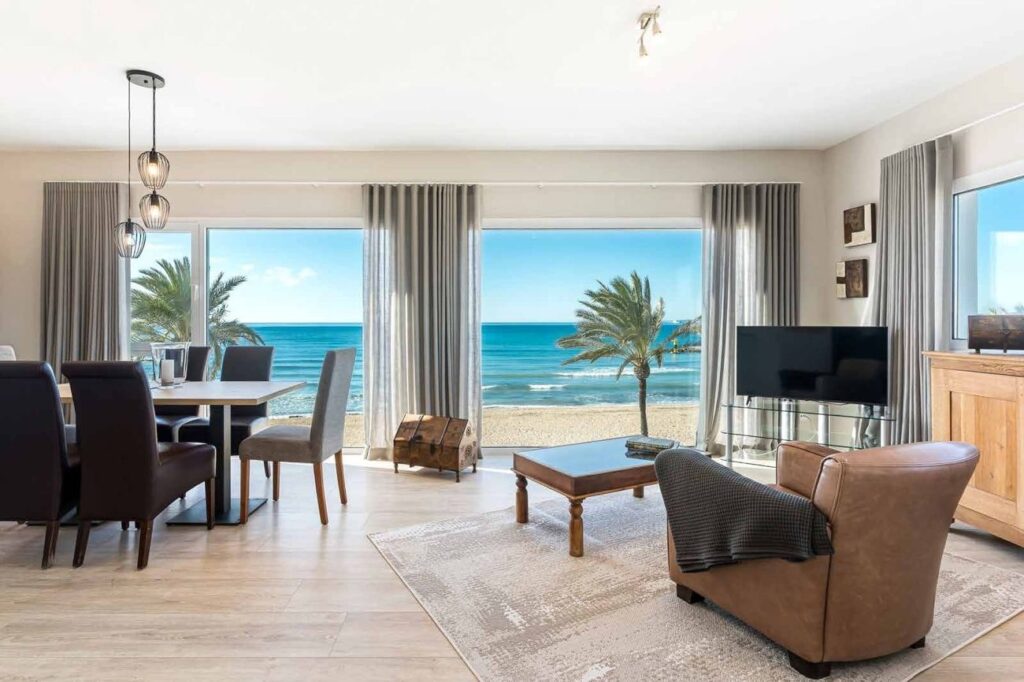
Request current information about the property proposed for your stay, including the location of bedrooms, bathrooms and consultation areas. Think about how you will use it on an ordinary day. Is there a comfortable place to read reports? Can an accompanying person work or rest without interrupting appointments? Is there enough privacy for confidential calls? These details can affect the experience more than decorative features.
Also discuss temperature control, noise, connectivity, meal arrangements and access to outside space. If you have mobility, sensory or other access requirements, obtain specific answers rather than a general reassurance. Photos can help, but measurements or a floor plan may be more useful for some needs. The accessibility planning guide provides further questions to adapt to the property.
Build the program around relevant information
Before adding new assessments, organize the information you already have. Ask which previous reports the team wants, how recent they should be and how they can be sent securely. A concise summary of your priorities and existing care can help the admission discussion. Do not assume that the program needs every record you have ever received; request guidance on what is relevant.
For each proposed assessment, ask which question it addresses and how the finding might change the plan. Establish who will interpret the result and whether that discussion can occur during the stay. These are practical questions about coherence, not an attempt to select investigations without clinical guidance. An individual program should make the relationship between information, interpretation and action understandable.
Coordinate with an existing physician
If you already work with a physician or other qualified professional, explain that relationship during the inquiry. Ask how the program can communicate with them, what consent is needed and who will send the final summary. You may want your usual clinician to help identify priorities before travel or review findings afterward. Agree the responsibilities explicitly rather than assuming that coordination will happen automatically.
Keep the purpose of each professional relationship clear. A residential program may add a focused period of assessment or support while your usual clinician retains responsibility for ongoing care. If a recommendation requires further clinical review, identify who will arrange it. Continuity is stronger when there is a named next step, an expected timeframe and a suitable route for sharing information with your permission.
Look at journeys between appointments
When reviewing a sample timetable, add the travel time around external consultations. Ask who provides transport, where you will wait and how the schedule changes if an appointment runs late. Consider whether multiple appointments on the same day leave enough time to eat, rest and understand what was discussed. A geographically compact plan can sometimes be more usable than a longer list of services spread across different locations.
Weather and personal mobility can also affect how pleasant or practical journeys are. Ask about transport alternatives and assistance where needed. Do not build your own itinerary around assumed walking distances until the actual residence and appointment locations are confirmed. The aim is to make the day workable, not simply to maximize the number of stops.
Choose duration by the work, not the prestige
A one-week stay and a two-week stay represent different amounts of time for assessment and implementation. The shorter option may fit a focused set of questions with good preparation. The longer option may create more room to practice routines and adjust them. Neither duration guarantees that all results will be available before departure or that a complex concern will be resolved within the visit.
Ask what the proposed second week would add in your case. Is there specific work that needs repetition or observation? Are there scheduled review points? Conversely, if you only have one week available, ask which objectives are realistic and what would continue afterward. Use the duration comparison to organize the discussion around deliverables and continuity.
Make room for interpretation
Receiving information and understanding it are different tasks. Request time to discuss the meaning of findings in plain language. It can help to write down questions after each consultation and bring them to the relevant review. Ask which findings are important now, which need later attention and which do not change the plan. A prioritized explanation is usually easier to act on than an undifferentiated list.
You may want a trusted person present for part of a discussion, or you may prefer to receive information alone. Agree that choice and any permissions beforehand. If language or communication needs might affect understanding, raise them early. Do not assume that the availability of a service means every communication preference can be accommodated without advance planning.
Protect confidentiality when others are involved
Private accommodation is only one part of confidentiality. Consider who can receive appointment information, who can access written reports and whether an employer, adviser or family member is helping to organize the stay. Administrative involvement should not be treated as automatic permission to receive health information. State your preferences clearly and ask how permissions are recorded.
If a companion participates in a separate program, each person’s consultations and records need their own arrangements. Shared meals and travel do not imply shared clinical decisions. The retreat privacy guide explains useful questions about communication, documents, photographs and practical discretion. Specific data-handling details should come from the provider’s current policies and your individual agreement.
Plan work commitments honestly
A Zurich stay may be convenient for a person who must remain connected to work, but convenience can also make it difficult to step away. Decide in advance which responsibilities need your direct attention. Create a short, realistic list of essential meetings and share the constraints with the coordinator. Avoid promising colleagues normal availability if the program requires protected time.
Also plan how you will use unstructured periods. Quiet time to review notes, eat without rushing or practice an agreed routine may be more valuable than filling every gap. An effective schedule should be judged by its fit with your goals, not by how busy it looks. The executive wellness guide explores the practical relationship between a residential stay and continuing professional responsibilities.
Compare the financial proposal carefully
The Zurich weekly fee of CHF 60,000 for a villa and one program participant does not replace a complete quotation. Ask for the total cost of the proposed dates and duration, including accommodation and the services actually agreed. Identify items that could be added after review and how those additions would be authorized. If someone accompanies you, separate their accommodation arrangements from any individual program fees.
Clarify deposits, payment deadlines, postponement, cancellation and what happens if the program is not considered suitable after further information is reviewed. Travel and insurance should be considered separately unless explicitly included. For a structured way to compare proposals, read the SENSES cost guide. The correct comparison is between agreed scopes, not simply between headline weekly figures.
Zurich or Mallorca: use a decision shortlist
Compare the two locations across five points: travel, residence suitability, appointment logistics, desired surroundings and continuity with existing support. Score the importance of each point for you before comparing proposals. This avoids allowing one attractive feature to dominate the decision. If you are uncertain, ask admissions to explain why one location better supports your stated priorities.
Mallorca may fit a preference for an island residence and a different outdoor setting. Zurich may be more practical for particular journeys or existing Swiss connections. These are possible reasons to investigate, not guarantees about services. Review the Mallorca profile alongside the Zurich proposal and confirm every material difference in writing.
Leave with a handover you can use
Before departure, ask for a written summary that separates completed work, outstanding findings and agreed actions. Identify who is responsible for communicating late results and arranging any further review. If your usual clinician needs information, confirm how it will be shared with your permission. Keep contact details for administrative questions separate from any clinical follow-up pathway.
Finally, select a small number of practical priorities for the first period at home. Decide where each action fits into your ordinary week and what support it needs. The setting may change, but the plan should remain understandable. Our post-retreat guide explains how to review progress without expecting a short residential stay to solve every long-term challenge.
Program information and verification
The supplied program information and official SENSES website identify Zurich as a residential location and confirm the advertised starting fee, checked on September 22, 2026. The operational questions in this article are editorial guidance. They should be resolved with admissions for your own proposal rather than interpreted as confirmation of a particular residence, clinician or appointment schedule.
When a residential mental health program is more relevant
The purpose of a wellness stay matters. For an adult whose main needs concern mental health, addiction, or overlapping difficulties, THE BALANCE Zurich offers a separate residential treatment option to investigate through an individual admission assessment. Ask what clinical work is proposed and which professionals and additional Swiss services are involved. Keep this pathway distinct from the SENSES healthspan program; a wellness booking and an assessed clinical admission are different arrangements.
Explore the Zurich and Switzerland guides
For readers investigating a clinical residential pathway, the THE BALANCE profile explains a separate option from the wellness and healthspan programs.
Sources and program information
Based on the owner-supplied SENSES program guide.
Source review: September 19, 2026. Provider information is self-reported; confirm current details directly.
Your next step
Begin with a conversation.
Ask SENSES about suitability, the proposed program and current availability.
Visit SENSES ↗+41 44 500 5111