SENSES Mallorca: planning a private wellness stay
SENSES Mallorca combines a private residential setting with an individually planned healthspan program. The starting decision is not simply whether Mallorca looks appealing. It is whether the proposed location, accommodation and appointment arrangements support the work you want to do. SENSES also offers Zurich, so the island should be chosen for practical reasons as well as personal preference.
The weekly fee starts at EUR 60,000 in Mallorca or CHF 60,000 in Zurich for a private villa and one program participant, plus EUR 30,000 or CHF 30,000 respectively for each additional program participant. Your proposal confirms the residence, services, participants and total. This guide explains the questions to resolve when considering Mallorca: the actual residence, travel, accessibility, outdoor time, privacy, companions and the transition home. The examples are planning suggestions, not a guaranteed description of a particular property or daily schedule.
Start with the purpose of traveling
A change of environment can create space in a crowded diary, but it does not by itself explain what a stay should accomplish. Before choosing dates, describe the questions you want the program to address. Perhaps you want to review existing health information, bring several recommendations together or practice a manageable routine away from habitual interruptions. These are different aims, and they may require different uses of residential time.
Then ask what Mallorca contributes. You may value separation from your usual working environment, a private home-like base or opportunities to spend appropriate time outdoors. Someone else may find the journey and distance from existing support less convenient. Write down both the advantages and the inconveniences. A balanced decision is more useful than assuming that an attractive destination will automatically suit every program participant.
Confirm the actual villa before booking
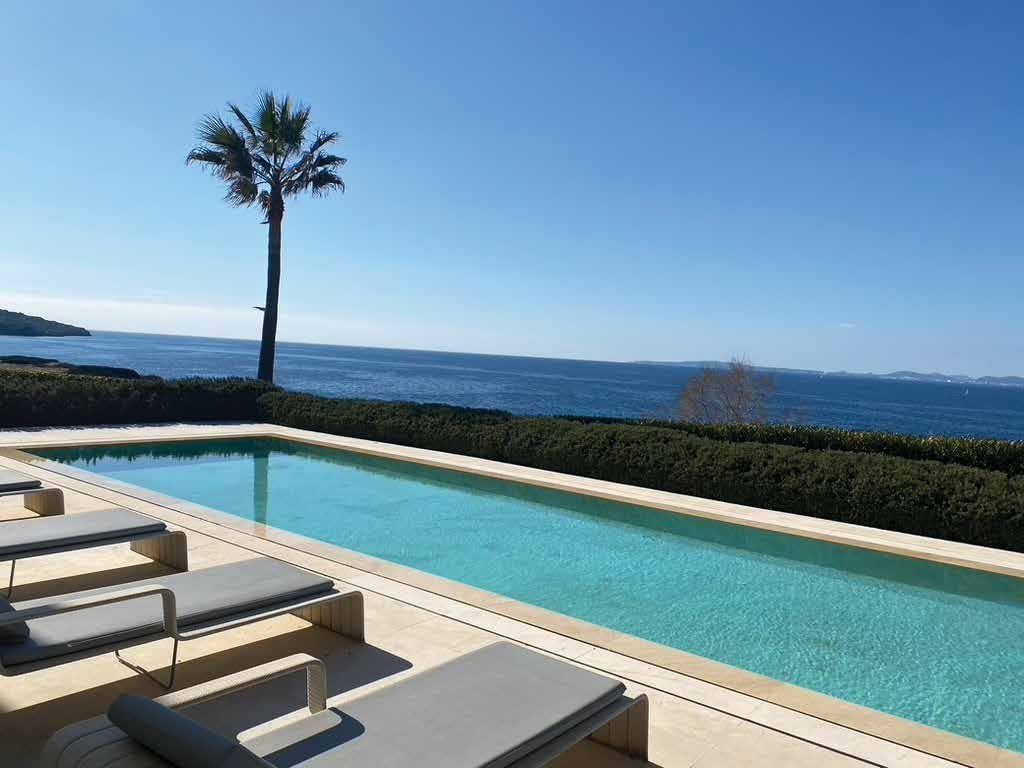
The residence should be identified clearly enough for you to assess whether it meets your needs. Ask for current photographs, the number of bedrooms, the location of consultation spaces and the layout between frequently used rooms. A general image in a brochure is useful for atmosphere but does not confirm the property allocated to your dates. Establish which details are fixed and which remain subject to availability.
Review practical features that matter during an extended stay: heating or cooling, reliable connectivity, kitchen arrangements, laundry, work space and comfortable indoor seating. If you are sensitive to noise, ask about the immediate surroundings and any planned maintenance. Clarify who else will enter the property, how visits are scheduled and whom to contact if something in the residence interferes with rest or privacy.
Map appointments and transport together
An individual program may involve consultations at the residence and appointments elsewhere. Ask for a provisional map of those arrangements before committing to a location. How long is the journey to each external appointment? Who organizes transport? Will departure and return times be built into the schedule? A consultation lasting an hour can occupy considerably more of the day once preparation and transport are included.
Also clarify how appointment changes are handled. A revised time may affect meals, movement sessions or family plans. A named coordinator and an understandable communication process can make those adjustments easier. Do not assume that every service is delivered inside the villa or that all appointments can take place on the dates you initially prefer. The pre-arrival checklist helps organize these practical confirmations.
Allow an arrival buffer
Travel time belongs in the program decision. Consider the whole journey, including the trip to the airport, connections, transfers and arrival formalities. If you arrive late, ask how the first evening and following morning will be organized. It may be more realistic to use that time for settling in than to expect an intensive schedule immediately. Agree the arrival plan with admissions rather than making assumptions about flexibility.
The same principle applies at departure. Check whether your final review, collection of documents and transport can be completed comfortably before the flight. If results will arrive later, identify the review arrangements before leaving. Booking the shortest possible travel window can create avoidable pressure at both ends of a stay intended to provide more time and attention.
Outdoor time without relying on perfect weather
Mallorca’s setting is one reason people consider a wellness stay there, but a useful program should still work when weather changes. Ask how outdoor plans are adapted and what indoor alternatives are available. The relevant issue is not the number of activities offered on a marketing page; it is whether the options fit your abilities, preferences and agreed program. More demanding activity is not automatically more beneficial.
Discuss the practical details of any planned walking or movement: surfaces, gradients, shade, transport back to the residence and access to rest stops. People have different tolerances and requirements. If a health condition affects participation, ask your clinician and the program team what is appropriate. Avoid making a non-refundable activity reservation before suitability and scheduling have been discussed.
Accessibility needs a property-level conversation
Destination-level descriptions cannot establish whether a residence is accessible. Ask about steps at entrances, door widths where relevant, lift access, bathrooms and the route between bedroom, dining area and consultation space. If you use equipment, confirm storage, charging and transport arrangements. Explain what you can do independently and what assistance you would need, without relying on a general label such as accessible or suitable for everyone.
Sensory and communication needs also deserve attention. You may need written appointment information, a quiet place for discussions, particular lighting or additional time between sessions. Ask which adjustments can be confirmed in advance. For a more detailed discussion, use the accessible retreat guide as a question list, then obtain answers for the actual residence and services proposed.
What a yacht-based arrangement changes
SENSES’ program information describes a possible yacht setting in Mallorca. This requires a different planning conversation from a villa stay. Establish whether the proposal involves time on the water, overnight accommodation or a more extensive yacht-based program. Request the itinerary, conditions for changing it and arrangements for any required onshore appointments. Availability and suitability should be confirmed individually.
Consider access on and off the vessel, privacy in shared spaces, motion tolerance, communication, weather changes and the practicality of carrying out the agreed program. Ask who decides when plans change and which alternative arrangements apply. The presence of a yacht should not be treated as evidence of a higher clinical level. Its value depends on whether the setting supports your goals and can be organized appropriately.
Meals and everyday preferences
Private residential living gives food an important place in the daily experience. Before arrival, explain allergies, relevant dietary requirements, cultural preferences and the routines you hope to understand or improve. Ask who will review that information and how it will be communicated to the people preparing meals. A preference, a food allergy and a clinician-advised restriction need different handling; be specific about which applies.
Think beyond the stay itself. If your aim is to make useful changes at home, ask how recommendations can fit your actual kitchen, household and schedule. A plan depending on a private chef every day may be difficult to maintain without one. The nutrition retreat guide discusses how to assess practical teaching and follow-through rather than focusing only on an impressive menu.
Bringing a partner or family member
An accompanying person may provide welcome company, but shared travel can also change the program’s rhythm. Clarify who is participating, who is accompanying without an individual program and how the costs differ. Agree expectations around shared meals, free time and private consultations. It should be possible to spend time together without assuming that every appointment or personal finding will be shared.
For families, discuss bedroom arrangements, supervision responsibilities and transport separately from the principal client’s program. Do not assume that a residential setting includes childcare or that all activities suit every age. If a companion wants their own assessment, ask about the separate suitability process and schedule. Our couples retreat guide explores some of the decisions involved in sharing a stay.
Protect the space you are traveling to create
Before arriving, decide which work responsibilities can be delegated and which genuinely need your attention. Give colleagues a clear contact arrangement and agree realistic response times. If daily calls are necessary, tell the program coordinator so they can be considered alongside appointments. Keeping every meeting in place while adding a full residential schedule may undermine the reason for going away.
The same preparation helps with personal demands. Explain your availability to people who depend on you and arrange suitable support where possible. Decide when you want solitude and when you want company. These are ordinary logistical choices, but resolving them before travel can prevent avoidable disruption. A private setting works best when privacy is supported by the arrangements around it.
Mallorca compared with Zurich
Choose between the two locations using a small set of weighted priorities. These might include travel convenience, existing clinical relationships, residence suitability, desired surroundings and the location of proposed appointments. Ask for the information needed to compare those priorities fairly. Do not assume that the clinical content, availability or daily logistics will be identical because the same program name appears in both places.
Mallorca may appeal when an island residence and outdoor setting fit your preferences. Zurich may be more convenient for someone coordinating other Swiss appointments or choosing a different travel route. These are planning considerations rather than statements of superior care. Read the SENSES Zurich profile, then request a proposal that explains the location recommendation for your individual circumstances.
Final booking and departure checks
Before paying, reconcile the program proposal with the accommodation and travel arrangements. Check the dates, services, exclusions, companion costs, cancellation terms and responsibilities if the plan changes. Keep the final version together with your contact details and itinerary. The SENSES fees guide can help you review the financial questions without assuming that the headline rate covers every possible arrangement.
Before returning home, request a clear account of agreed priorities and any outstanding follow-up. Identify which routines you can realistically continue and which support you need to organize. Mallorca is the setting for the stay; the usefulness of the program also depends on what happens afterward. The main SENSES profile explains the broader assessment and planning model.
Source and scope
Location and program descriptions are based on the supplied SENSES program information and checked against the official SENSES website on September 22, 2026. Property features, schedules, accessibility and yacht arrangements must be confirmed for the individual proposal. This article provides planning questions rather than claiming that unspecified facilities or services are included.
Sources and program information
Based on the owner-supplied SENSES program guide.
Source review: September 19, 2026. Provider information is self-reported; confirm current details directly.
Your next step
Begin with a conversation.
Ask SENSES about suitability, the proposed program and current availability.
Visit SENSES ↗+41 44 500 5111